


Climate & livelihoods / Bangladesh, Malawi
ATEC
Turning IoT-connected cookstoves into a self-reinforcing engine for clean cooking and verified carbon credits.


Mexico’s rural, often Indigenous, communities own over half the country’s land but remain trapped in poverty, isolated from financial markets and unable to access the financing needed to invest in it. Decades of extractive practices, worsened by climate change, have degraded large areas, while limited income opportunities push younger generations to migrate. Without a viable economic alternative, both land and communities face a difficult future.
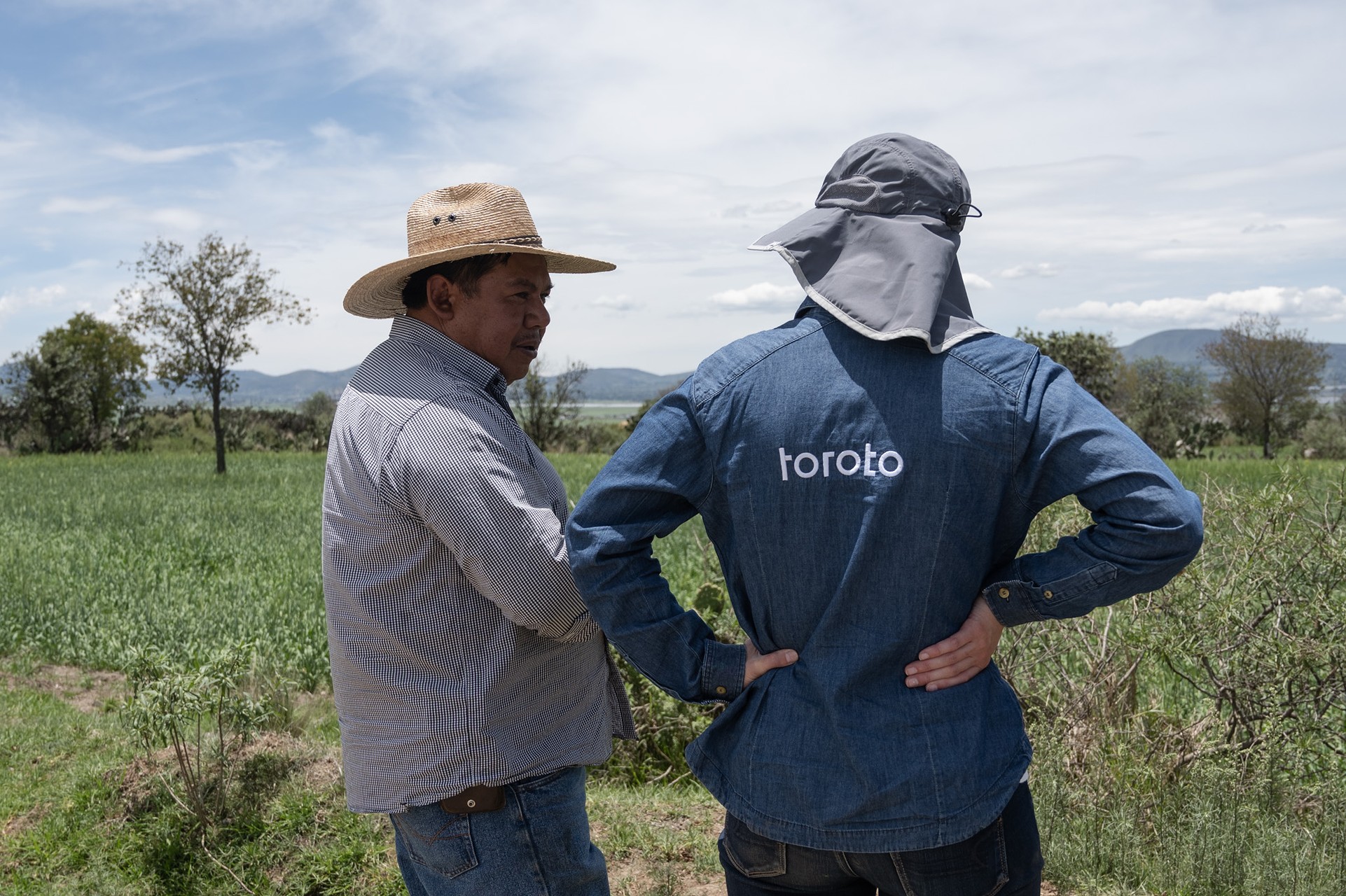
Toroto partners with Indigenous communities to develop nature-based carbon and water projects, channeling corporate climate funding directly to the people who steward the land. Communities vote on participation, co-design the climate action plan, and carry out restoration work, earning 60–75% of carbon credit revenues. Toroto handles technical design, client relationships, monitoring, and verification, acting as a long-term on-the-ground partner.
Communities working with Toroto increase household income by 50–100%, with earnings reinvested into healthcare, education, and activities such as beekeeping and agroforestry. Over 3’000 community members are now integrated and more than 140’000 hectares sustainably managed. The land restoration projects have removed approximately one million tons of CO2 since inception, while improving ground water levels, soil fertility, and biodiversity.
Toroto was founded in 2019 by four nature and impact enthusiasts, Santiago Espinosa, his childhood friend David Camhi, and two family members, inspired by a walk through Mexico’s forests and a shared frustration at the pace of climate action. Santiago, who had studied renewable energy engineering at the National Autonomous University of Mexico (UNAM) and previously led an alternative tourism company, became the venture’s CEO.
Their conviction is that lasting climate action is only possible through community governance. That belief is at the core of Toroto’s model: ejidos, Mexico’s legally recognized communal landholding communities, vote on project participation, set the terms, share responsibility for driving the projects, and in turn own the majority of the returns.
As an active investor, we take a seat on the board – acting as a sparring partner to founders on strategy, governance, and fundraising, and keeping impact at the center of every decision. At Toroto, we are represented by:

Executive Director




Indigenous land stewardship and a model that makes communal agency the driver of permanence.
Communities vote democratically on participating in the project, co-design the climate action plan, and receive 60–75% of carbon credit revenues.
Toroto grew strongly in 2025, maintained profitability for consecutive years, and with a differentiated high-integrity offering in a convoluted market, counts renown organizations like SAP and Mercado Libre among its clients.
The voluntary carbon market is growing fast, with demand for high-integrity removal credits far exceeding supply. Toroto’s eye-level collaboration with communities and field-rooted operations are built to fill that gap.

What excites me: Toroto gives communities real economic agency, ejidos receive 75% of carbon revenues to shape their own future. And it’s built for transformation over 15–20 years, not quick wins. That kind of long-term, patient partnership is what sustainable impact looks like.

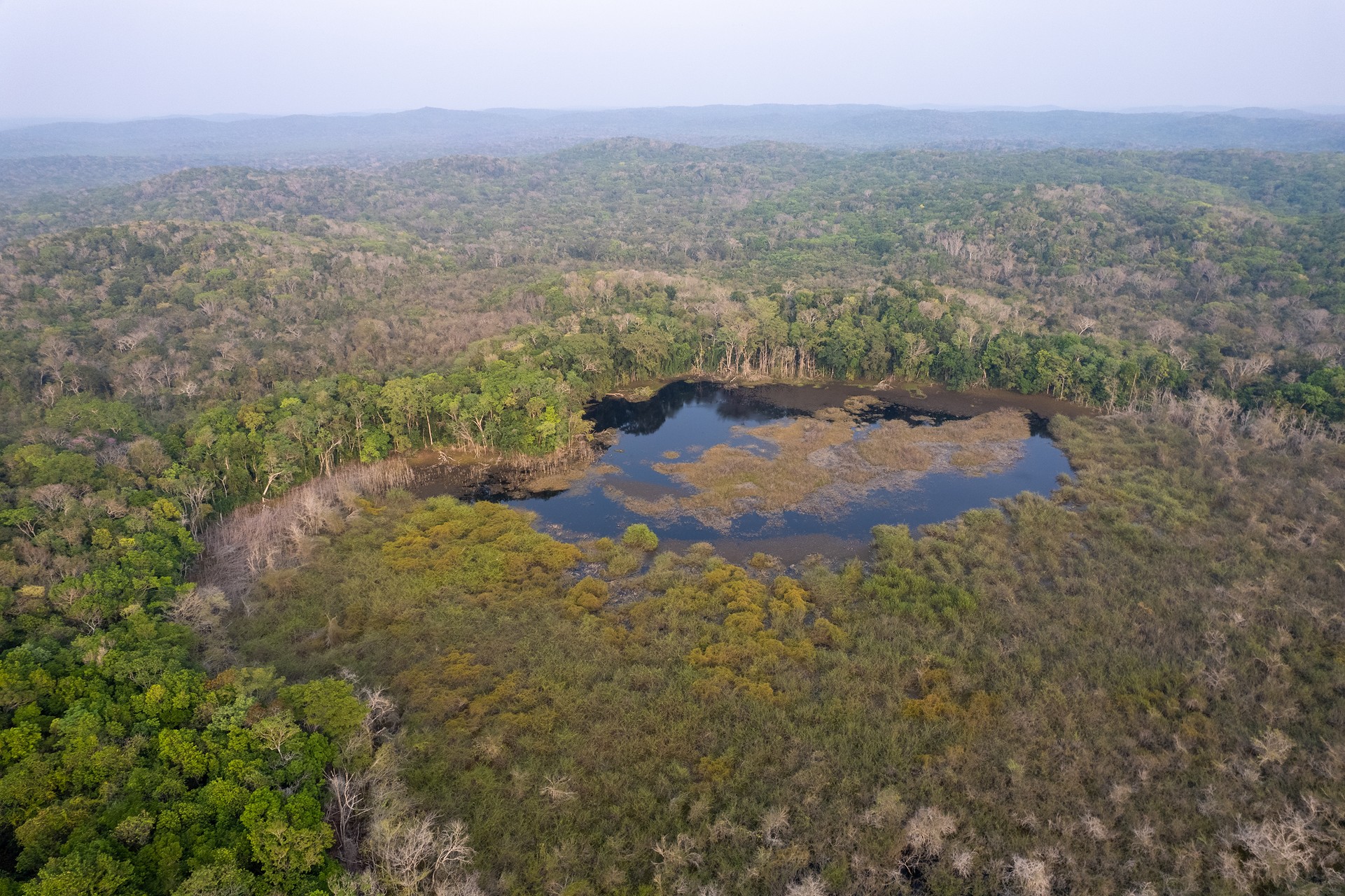
Deep in the jungle of the Calakmul Biosphere Reserve in Campeche, Mexico, the Kilometer 120 ejido has protected more than 9’000 hectares of forest for decades. Now that care is paying off: the community has sold its first carbon credits through a forest conservation project with Toroto. Ejido members talk about pride, hope and what comes next, reinvesting in beekeeping, reforestation and their land, so that their children might one day see a jaguar in the wild too. Read more in Toroto’s blog article.
I have always taken care of the jungle because I know that the jungle gives us much more than you think. It’s my family’s heritage.
Climate & livelihoods / Bangladesh, Malawi
Turning IoT-connected cookstoves into a self-reinforcing engine for clean cooking and verified carbon credits.

Climate & livelihoods / India, Vietnam
Developing and monitoring rice carbon projects, using satellite technology to precisely measure methane savings from sustainable rice farming.
Climate & livelihoods / Philippines
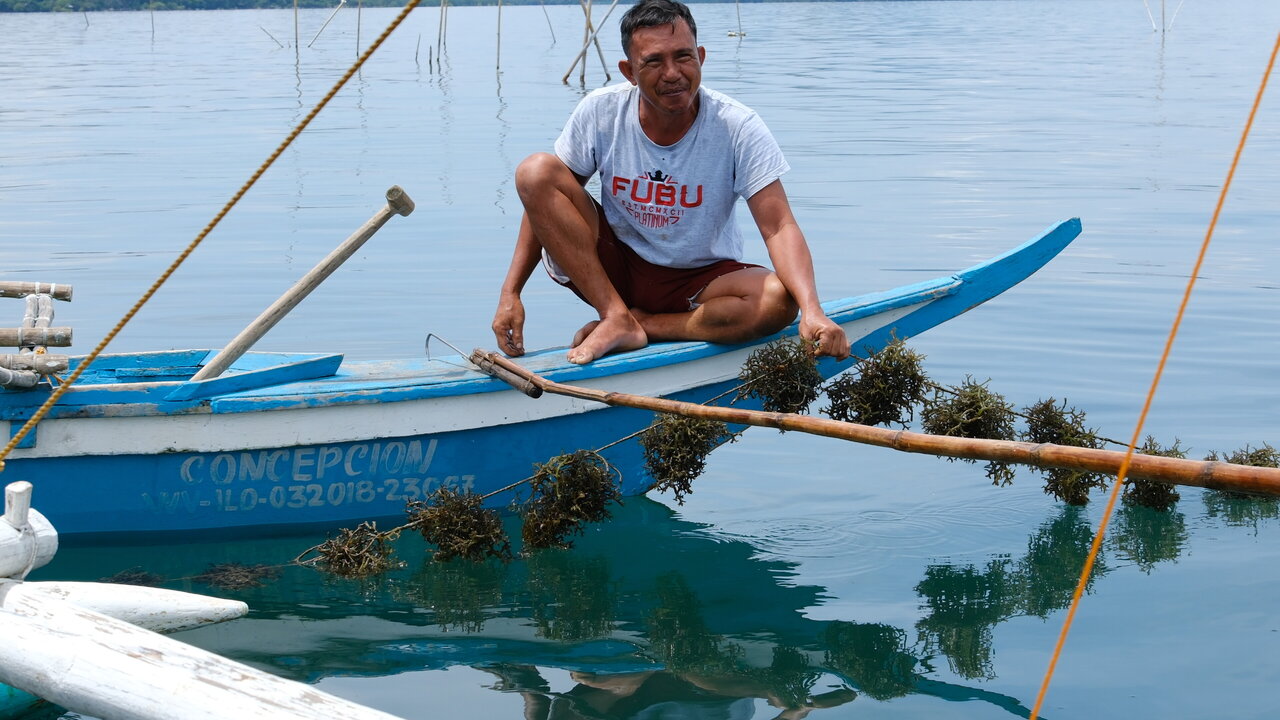
Supporting coastal communities farm seaweed sustainably, then selling their harvest directly to global food, pharma, and pet food markets.