


On developing judgment in impact investing
Read more


More than 2 billion people worldwide cook over open fires or polluting fuels, often the only affordable option for low-income households in Asia and Africa. The result: millions of premature deaths a year, forests lost, and rising greenhouse gas emissions. Women and children bear the greatest cost, and households stay trapped, unable to afford a cleaner way to cook.
ATEC developed the eCook, a connected induction stove low-income households can afford. Each stove tracks real-time usage data, generating live, data-verified carbon credits, which fund the stove’s affordability and are reinvested into ATEC’s growth. The more families cook clean, the more credits are generated, and the more eCooks can be distributed. Its eCook became the first cookstove project to issue fully digitized carbon credits under Gold Standard.
To date, over 35’000 households have gained access to ATEC clean cooking devices across Bangladesh, Cambodia, Malawi, and other countries in Asia and Africa. Families save up to 50% on cooking costs, cook in smoke-free kitchens, and earn direct income through a revenue share from carbon credits.
Ben Jeffreys started out by turning a charitable clean cooking project in Cambodia into a commercially viable social business. An Australian entrepreneur with roots at Oxfam and the School for Social Entrepreneurs, Ben brought the commercial instincts to build something sustainable, and the drive to develop the model further.
Ben recognized the potential of electric cookstoves early, just as grid electrification was accelerating in the Global South and making electric induction cookers feasible at scale. He steered ATEC from biogas toward electric cooking and its carbon credit model. ATEC uses IOT-enabled cookstoves to track household usage in real time and dMRV technology to generate 100% auditable and verifiable carbon credits. In 2026, ATEC became the world’s first cookstove project developer to issue fully digitized carbon credits.
Ben built a team spread across the globe, secured carbon credit partnerships with the Swiss government and ENGIE, and raised USD 15.5 million to fund ATEC’s next phase.

As an active investor, we take a seat on the board – acting as a sparring partner to founders on strategy, governance, and fundraising, and keeping impact at the center of every decision. At ATEC, we are represented by the chair of the board:

Executive Director
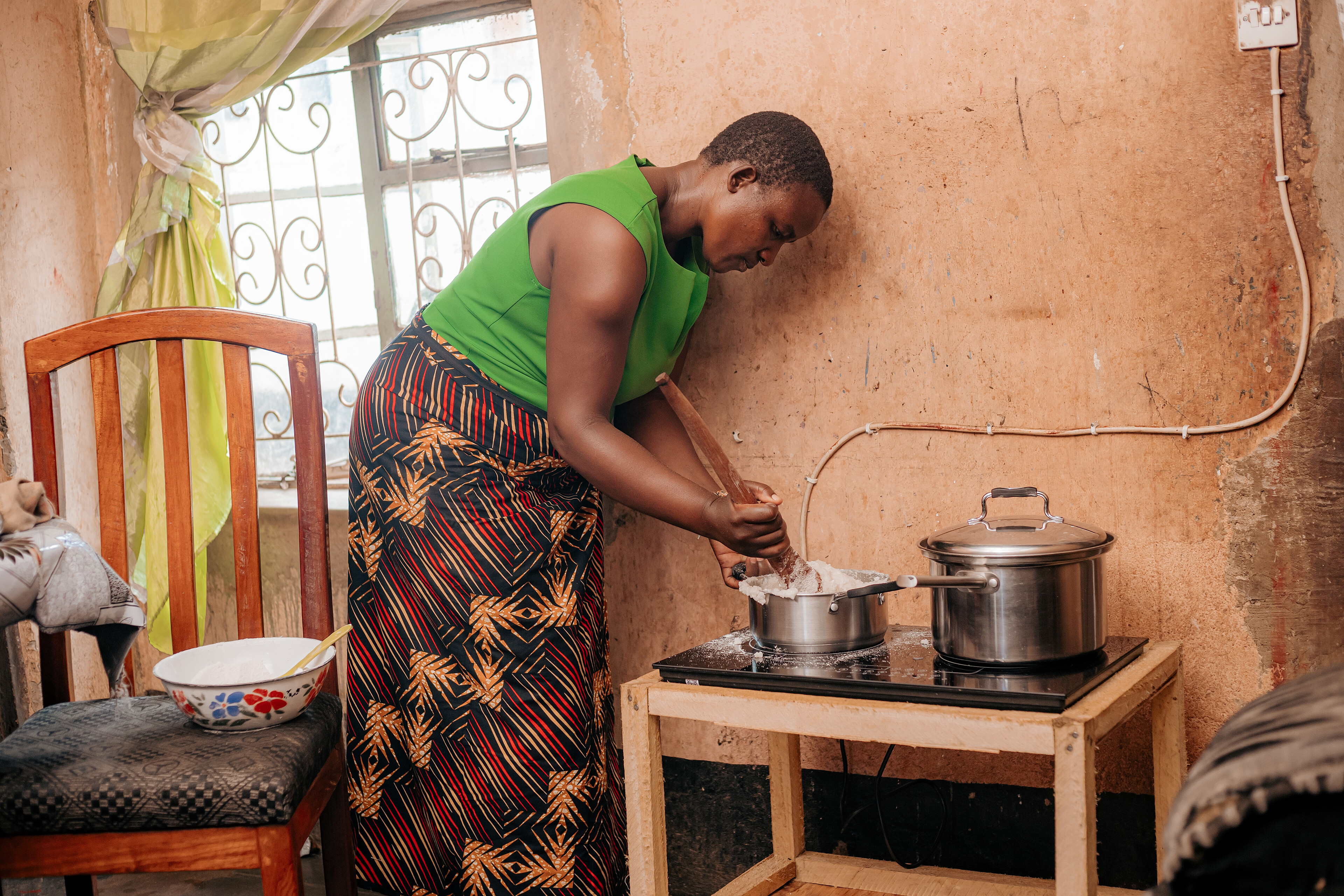
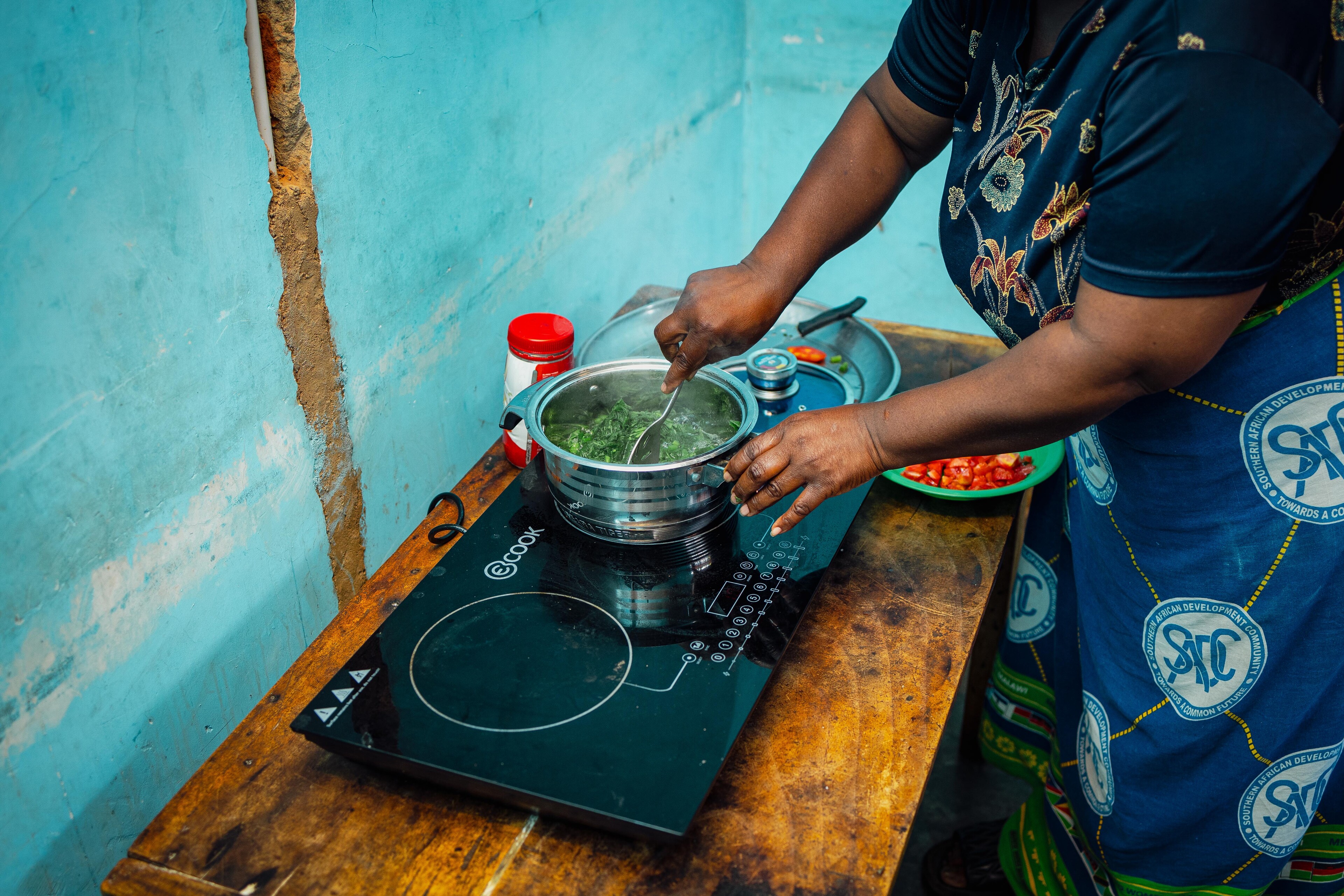
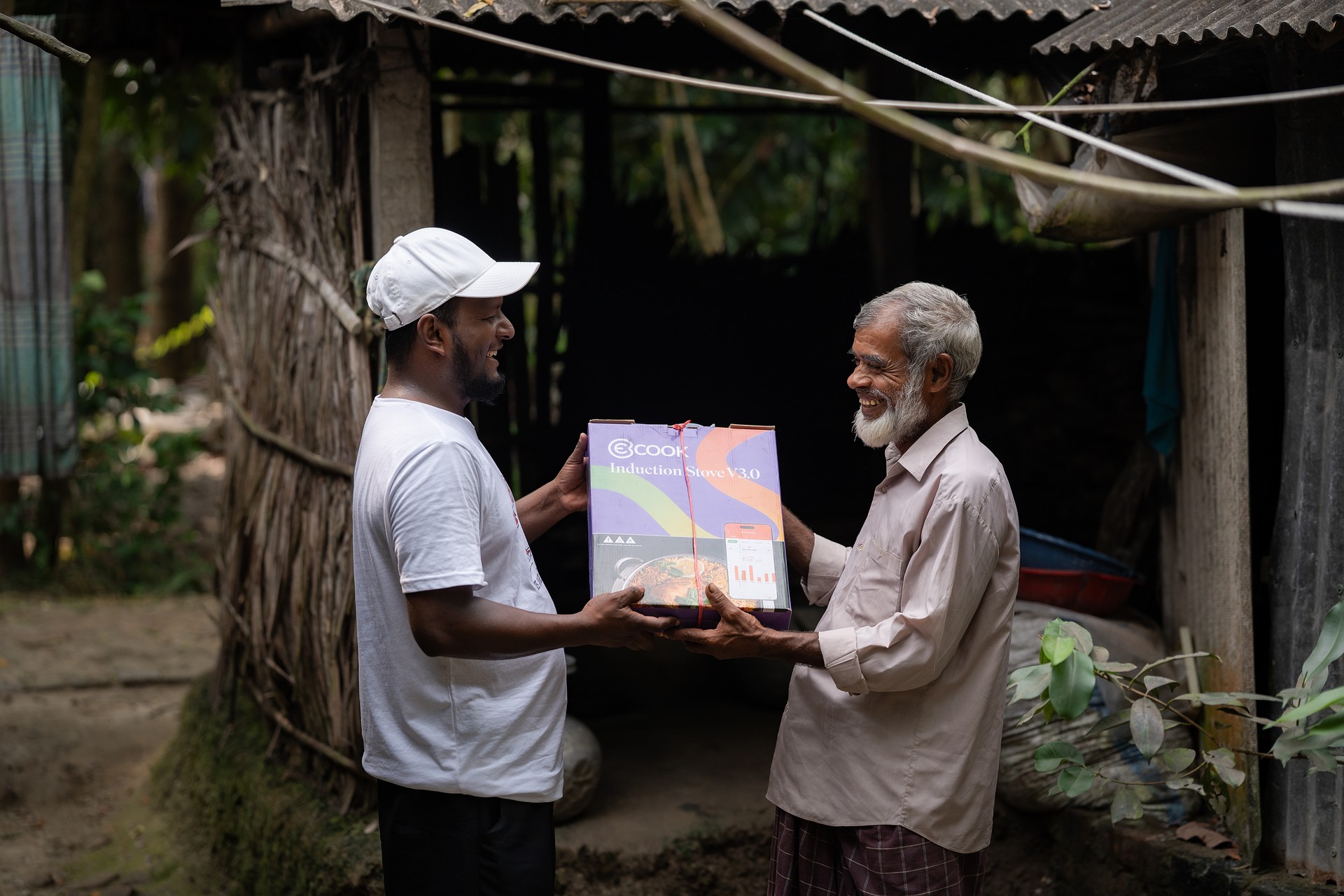

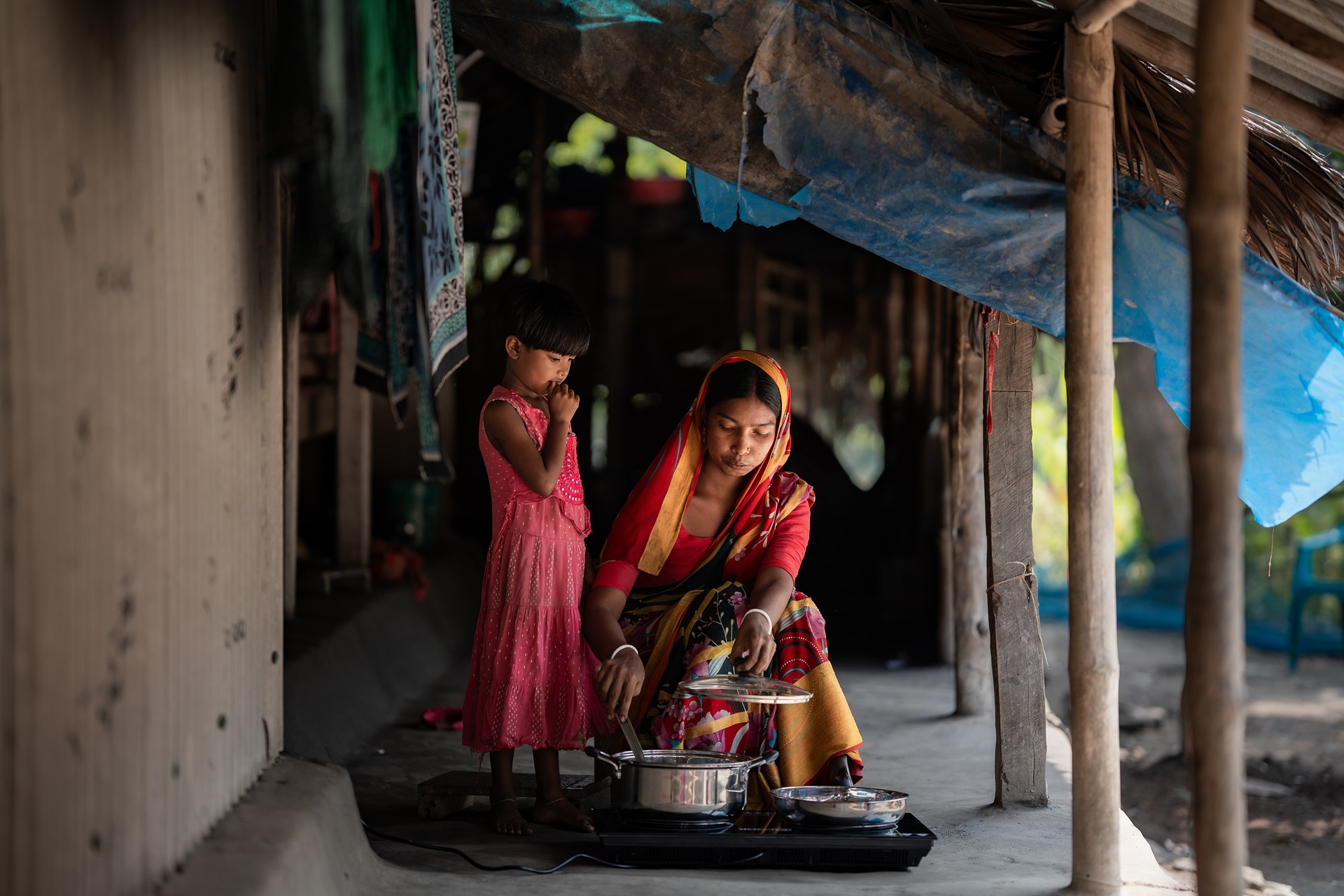

It was genuinely heartening to see the spark and pride on the face of a mother on a Cambodian farm as she talked about how much easier it is to cook with the eCook. A newly converted eCook enthusiast herself, she told her neighbors about it, and they all wanted one too.
Like many women in Lilongwe, Malawi, Lucy Nzerum’mawa used to start every day over a charcoal stove. She woke early to light a slow fire, cook, and get her children ready for school. In a country where nearly all households rely on unsustainable biomass fuels for cooking and most urban families depend on charcoal, her struggle is shared by women across Malawi. Since switching to an ATEC induction stove, Lucy cooks faster, more safely, and for less. Her monthly electricity bill is now lower than what she used to spend on charcoal alone, and it covers her whole household’s power, not just cooking. Read her story or watch the video.


Climate & livelihoods / India, Vietnam
Developing and monitoring rice carbon projects, using satellite technology to precisely measure methane savings from sustainable rice farming.
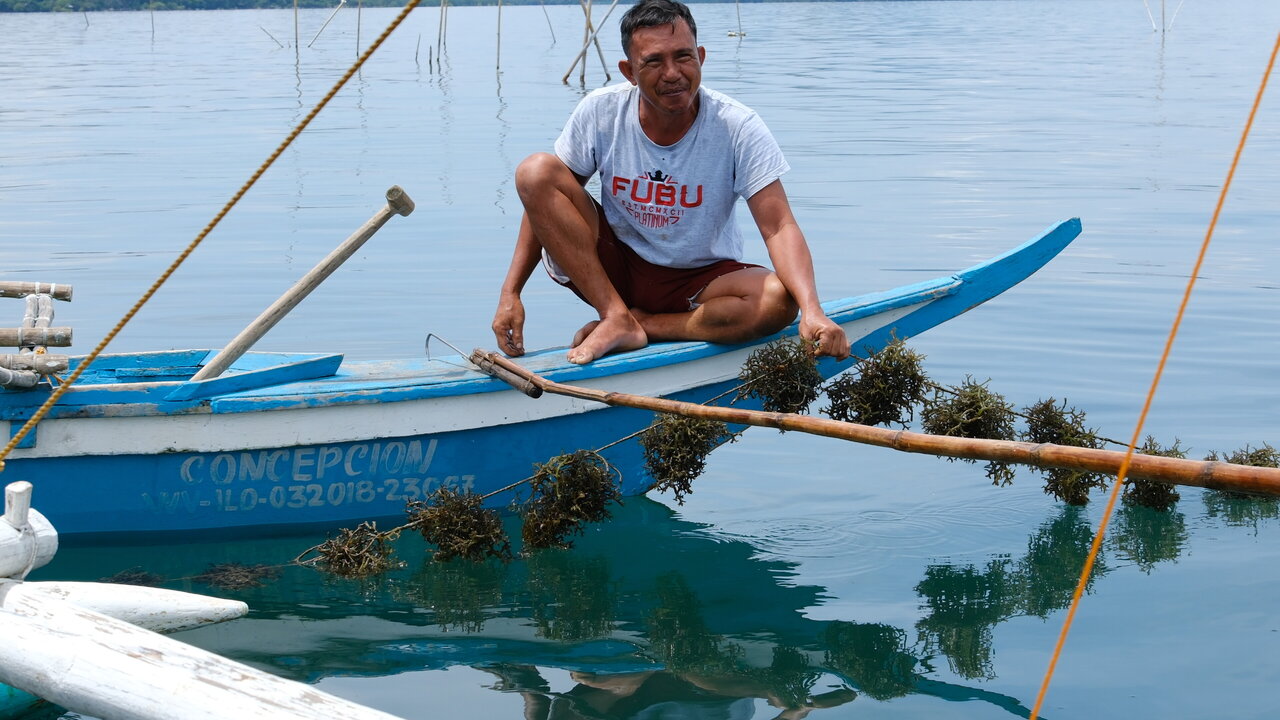
Climate & livelihoods / Philippines
Supporting coastal communities farm seaweed sustainably, then selling their harvest directly to global food, pharma, and pet food markets.

Climate & livelihoods / India
Turning waste pickers into dignified entrepreneurs, and India’s waste problem into opportunity.