


Agriculture / Tanzania
Guavay
Restoring Tanzania’s degraded soils with organic fertilizer to sustainably secure smallholder yields and food supply long-term.

Over 80% of Tanzania’s farmers are smallholders, most earning less than USD 3 a day. Without proper storage, training, or reliable market access, nearly half of what they grow is lost to waste. Middlemen dominate the value chain, paying farmers low prices on harvest day, while informal vendors deal with uncertain quality and unreliable supply.
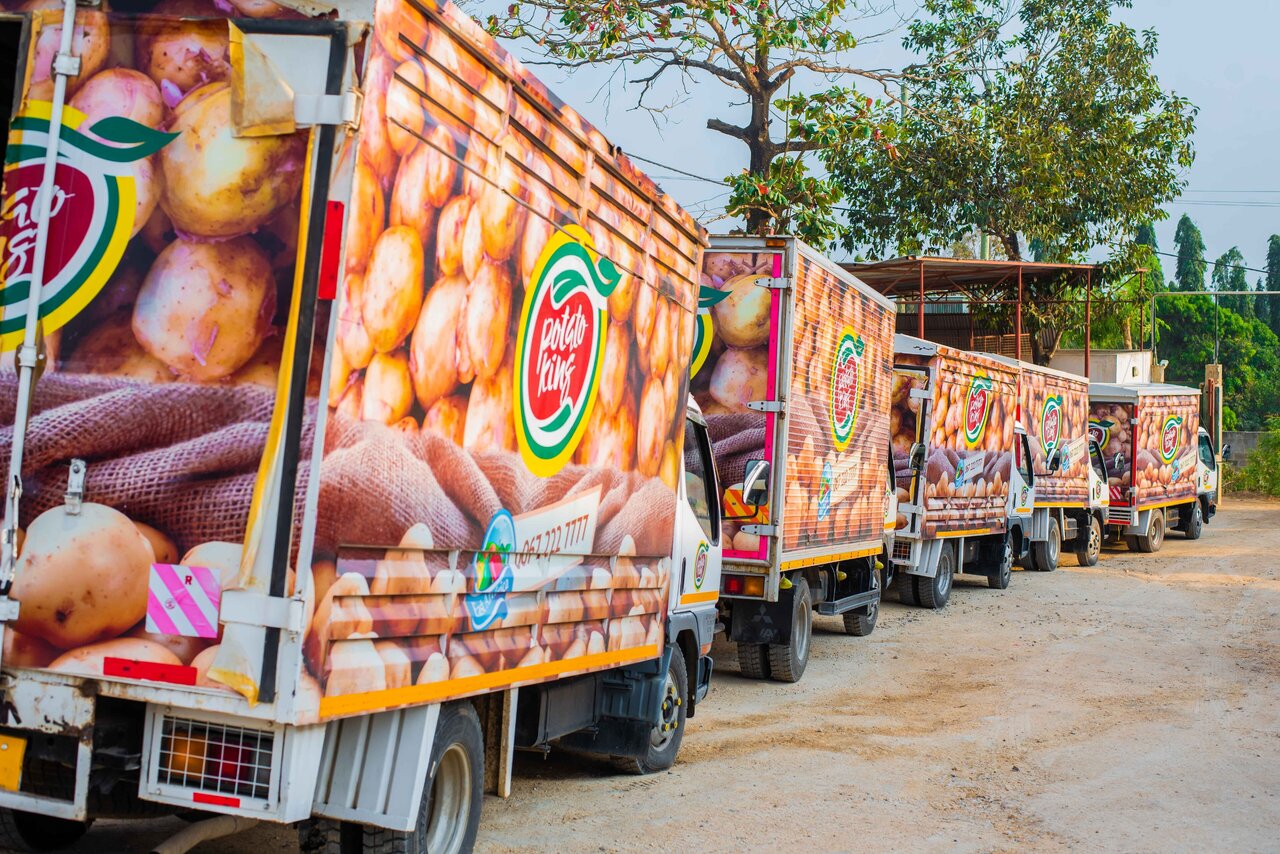
EA Foods runs an end-to-end logistics system anchored by rural collection centers, where farmers receive training, fair prices, and same-day payment via mobile money. The produce travels on company-owned trucks to a facility in Dar es Salaam, where it’s sorted, processed, and delivered directly to vendors, supermarkets, hotels, and restaurants. Owning the entire chain cuts out middlemen and reduces post-harvest losses at every stage.
EA Foods works with more than 10’000 smallholder farmers and 7’000 small retailers across Tanzania and Kenya, its first international market, and makes over 4’000 deliveries every day. Farmers earn well above middlemen rates, enjoy stable demand, and receive agronomic training. The company is already operationally profitable, proving that formalizing food distribution in East Africa is both viable and impactful.
Elia Timotheo grew up in an entrepreneurial family in Tanzania, watching his mother build and run a food business. His mission took shape when he saw firsthand the challenges smallholder farmers faced: they produced food but struggled to access reliable markets, while consumers dealt with high prices and inconsistent supply.
He founded East Africa Foods in 2013 to bridge this gap. Together with CFO Diana Michael, he has built EA Foods into a technology- and data-enabled food distribution company that connects farmers to markets through sourcing, logistics, storage and processing. Today, EA Foods is moving beyond distribution, creating the physical and digital infrastructure needed to reduce food loss, improve farmer incomes and make Africa’s food supply chain more efficient, resilient and scalable.
Read more about the venture’s USD 40 million raise to expand Africa’s physical and digital food supply chain infrastructure (October 2026).

Article


The farm-to-market chain in East Africa has long been inefficient. EA Foods built a model to address this and is expanding across the region.
From farm training to doorstep delivery, EA Foods owns and manages every step. That is what makes the model both efficient and hard to replicate.
EA Foods pays 20–60% above market rates, trains farmers, and guarantees purchases. Farmers negotiate, invest in their land, and send their children to school.
From Tanzania to Kenya, EA Foods now connects more than 28’000 smallholder farmers with over 10’000 urban retailers.

What stands out to me is Elia’s and Diana’s dedication and execution, turning a systemic problem, Tanzanian farmers trapped by middlemen, into a simple, effective end-to-end solution.


Now I have my own little grocery shop that I’ve started with proceeds from selling my harvest.
Agriculture / Tanzania
Restoring Tanzania’s degraded soils with organic fertilizer to sustainably secure smallholder yields and food supply long-term.

Agriculture / Peru
Training Andean communities as wild moss collectors and buying their harvest at fair prices, turning it into a global resource.

Agriculture / Liberia
Turning Liberia’s palm waste into a beauty brand for global customers while creating income opportunities at scale.