How stronger micro-retailers can lower the poverty tax


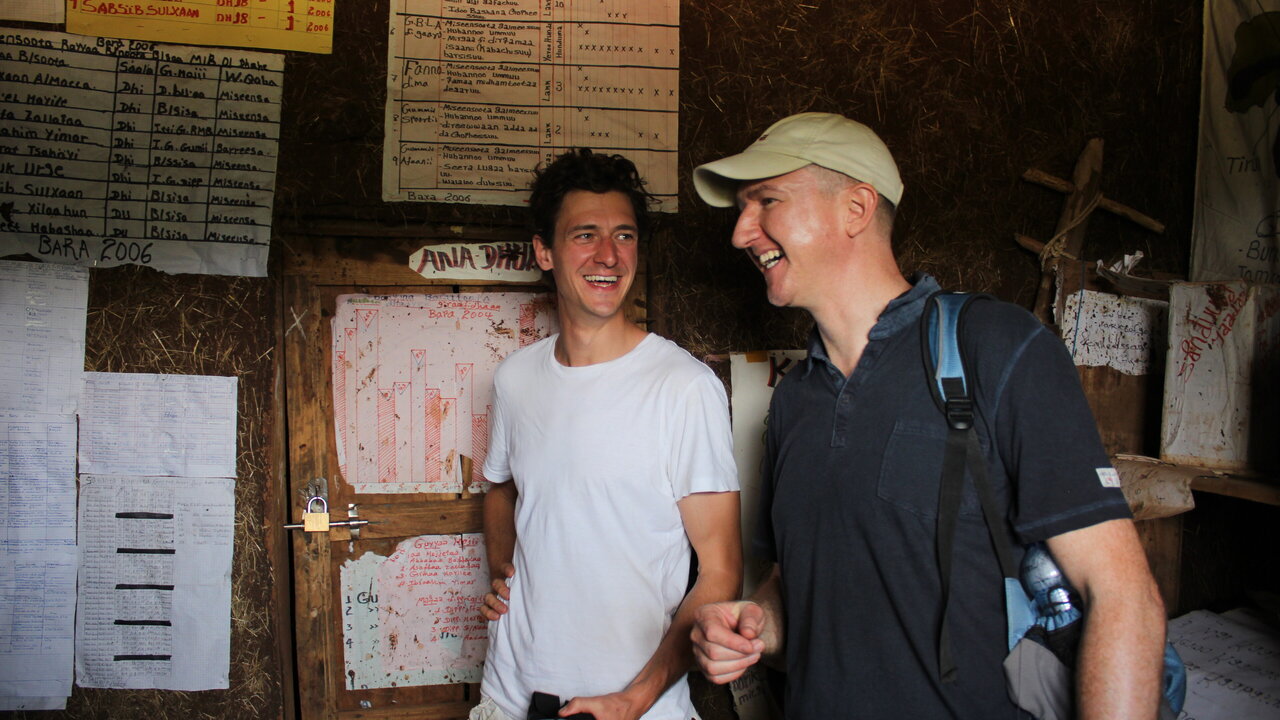
Here is what Felix shared:
"A souk may look like just a small window onto the street, but the volumes moving through it are substantial. Across thousands of shops in Addis, souks are how most people access essential products every day.
This work sits at the heart of elea’s investment thesis in this sector: Informal retail is where most goods reach low-income customers, so stronger retailers mean better access to essential products for people living in poverty.
A highlight of the visit was Merkato, often described as Africa’s largest wholesale market and the place where many souk owners source their stock. Because supply chains are fragmented, owners often have to close their shops, travel across the city, and pay for costly transport to restock. These costs add to the “poverty tax” that many people pay for essential goods and services.
Another learning was the gender dimension of supporting micro-entrepreneurs. Most of the souks Felix visited were run by women. Running a shop close to home can be an attractive way to earn an income, especially in a world where women still carry most of the childcare. Supporting women micro-entrepreneurs is one of the many elements of the Smart Souks program that excites us."